



Why Choose Mazda Lease Options Over Buying?
Why Choose Mazda Lease Options Over Buying: Benefits, Deals, and Terms Explained
By Mazda North Miami, Mazda of North Miami. Leasing a Mazda can be a smarter option for many drivers. This piece explains the main benefits of leasing, compares lease deals to buying, and breaks down typical lease terms so you can decide what fits your finances and lifestyle. It also highlights offers from Mazda of North Miami to point you to local options. Leasing’s popularity varies by region and by consumer preference.
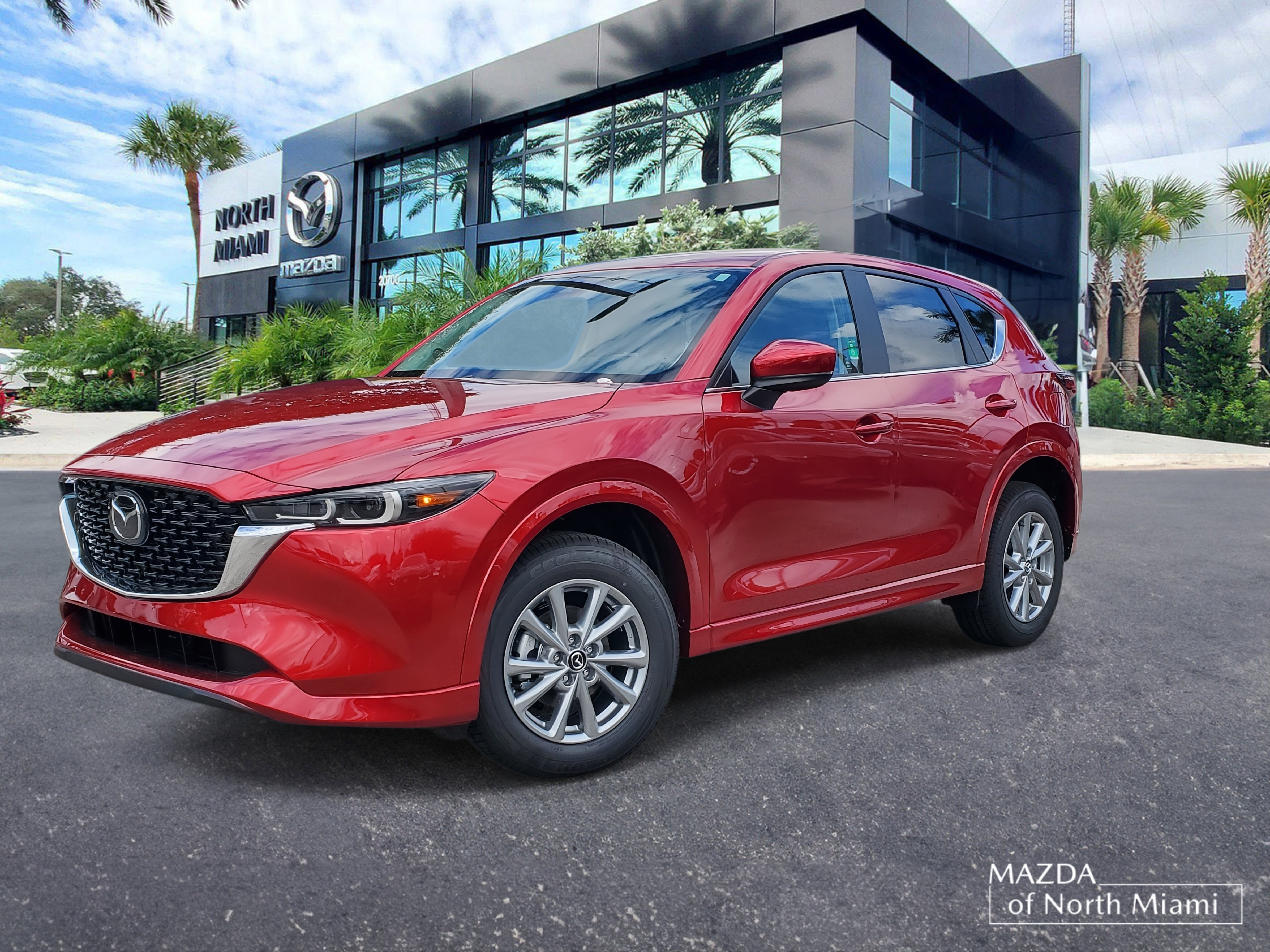
What Are the Key Benefits of Leasing a Mazda Compared to Buying?
Leasing a Mazda delivers a few clear benefits: typically lower monthly payments, lower upfront cost, access to newer models and technologies, and warranty coverage that can reduce maintenance expenses.
Beyond the headline advantages, leasing can also simplify ownership logistics. Many lease packages include maintenance or factory warranty coverage for the duration of the term, which reduces unexpected repair bills and keeps service predictable. For drivers who prioritise access to the latest safety and infotainment upgrades, leasing removes the long-term commitment of ownership while keeping monthly costs manageable. From a cash flow perspective, leasing often requires less capital up front, which can free funds for other needs such as home improvements, education, or business investment.
How Do Lower Monthly Payments Make Mazda Leasing Attractive?
Lower monthly payments are a major draw. Leasing means you pay for the vehicle’s depreciation over the lease term, not the full purchase price, so monthly costs are smaller. That frees up budget or lets you choose a higher trim. For example, a CX-5 lease often costs notably less per month than financing the same model.
Lease payments are calculated from three main components: the negotiated capitalized cost (the vehicle price), the residual value (what the car is estimated to be worth at lease end), and the lease factor or money factor (the financing cost). Taxes, fees, and any down payment also influence the monthly figure. Because the monthly obligation covers depreciation and finance charges rather than the entire purchase price, lessees frequently see lower payments than with a comparable loan. When comparing offers, ask dealers to show the capitalized cost, residual percentage, and money factor so you understand how the monthly payment was determined.
What Flexibility Does Leasing Offer for Mazda Enthusiasts?
Leasing suits drivers who like to change cars regularly. Typical terms run 24–36 months, making it easy to upgrade as needs change. It’s ideal for people who want the latest tech or design. Some leases also permit minor customisation without the long-term tie of ownership.
Shorter lease terms let you move between models more frequently and can be a good fit for shifting life stages—young professionals, growing families, or buyers who want to try new features as they arrive. Many lessees use lease transfers or trade-in strategies at term-end to change vehicles with minimal disruption. If you value flexibility but still want to personalise a vehicle, discuss permitted accessories with the dealer in advance; small, dealer-approved add-ons are often acceptable, while major structural changes are usually restricted.
How Do Mazda Lease Deals Near Me Compare to Buying Options?
Compare local lease deals to purchase offers before deciding. Mazda lease promotions can include lower down payments, reduced monthly payments, and special financing rates not available for purchases. Knowing what’s on offer locally helps you pick the best financial fit.
When comparing lease offers to financing, consider the total cost of ownership across the period you expect to keep the car. This includes monthly payments, taxes, insurance, scheduled maintenance, and projected end-of-lease charges such as excess wear or mileage fees. Also compare the effective cost when you factor in trade-in value or resale proceeds for a purchased vehicle. Ask the dealer for a written breakdown and run the numbers yourself to ensure a side-by-side comparison reflects all fees and incentives.
Quick checklist when comparing local offers:
- Request the full lease worksheet: capitalized cost, residual, money factor, fees, and taxes.
- Confirm eligibility rules for advertised specials (credit tiers, residency, return of a current lease, etc.).
- Calculate annual mileage needs and any cost per mile for overage.
- Compare total outlay for the intended ownership horizon, including likely resale or buyout price if you intend to purchase at term end.
What Current Mazda Lease Specials Are Available at North Miami?
At Mazda of North Miami, there are lease specials on models aimed at different budgets. These specials commonly feature competitive monthly payments and flexible terms. For example, you may find a Mazda3 lease with a low down payment and attractive monthly rates.
Regional dealership specials can change frequently, so check expiration dates and eligibility. Specials often target particular trims or model years, and certain incentives may require specific credit profiles or trade-in of a current vehicle. When a promotion looks appealing, ask the dealer to send the offer details in writing and confirm whether advertised incentives can be combined with loyalty credits or dealer-specific discounts.
How Do Manufacturer Incentives Enhance Mazda Lease Offers?
Manufacturer incentives—such as cash rebates or special financing—can lower the overall cost of leasing and reduce monthly payments. Using these incentives can make leasing considerably cheaper than standard financing.
Incentives may be targeted at specific groups: returning lessees, military personnel, recent college graduates, or customers trading in a competitive make. Dealers can often apply manufacturer incentives to reduce capitalized cost or to cover fees, which lowers monthly payments. When assessing an offer, check whether the incentive is applied as a cap cost reduction, a rebate at signing, or a reduction in the money factor. Clear documentation ensures you get the full benefit of any available programs.
What Are the Typical Mazda Lease Terms and Conditions Explained?
Lease agreements spell out the lease duration, mileage limits, and residual value. Each of these affects the total cost. Knowing these terms up front helps you avoid surprises and extra charges at lease end.
Lease contracts also define acceptable wear and tear, maintenance responsibilities, and conditions for early termination. Standard inspections at lease end evaluate items such as tire condition, interior cleanliness, dents, paint damage, and mechanical issues beyond normal use. Dealers provide damage guidelines—review these before signing so you understand repair expectations and whether it’s cost-effective to address issues before returning the vehicle.
What Are Common Lease Durations and Mileage Limits for Mazda Models?
Common lease lengths are 24 to 36 months with annual mileage limits of about 10,000 to 15,000 miles. Those limits protect residual value. If you exceed them, you’ll likely face per-mile fees, so estimate your driving before signing.
If your driving pattern is likely to change, negotiate a higher mileage allowance at the start of the lease; the per-mile cost built into higher allowances is usually lower than paying overage charges at the end. For infrequent drivers, a lower mileage lease typically offers a better monthly rate. Always estimate conservatively to avoid unexpected costs when returning the vehicle.
How Do Residual Values Affect Mazda Lease Payments?
The residual value is the vehicle’s estimated worth at lease end and drives depreciation. A higher residual value usually means lower monthly payments. Choosing models that hold value well can improve your lease costs.
Residual values are influenced by a model’s historical resale performance, anticipated demand, the chosen trim and options, and sometimes even color choice. Vehicles with strong resale profiles normally have higher residual percentages, which lowers the lessee’s depreciation charge. Consider this when selecting trims and optional packages—some add-ons reduce long-term value more than they add short-term enjoyment.
How Does Mazda Lease Financing Work and What Credit Requirements Apply?
Mazda lease financing is similar to buying but with differences in how payments and ownership work. Lessees generally must meet credit criteria to qualify for the best terms. Knowing those requirements helps you prepare and secure a better offer.
Before you apply, collect standard documents: recent pay stubs, proof of residence, valid ID, and proof of insurance. Prequalifying or checking your credit score gives you a realistic expectation of available offers. Some promotional leases require higher credit tiers to access the lowest money factors; if your credit is still improving, consider saving for a larger down payment or improving your credit first to qualify for better rates.
What Financing Options Are Available for Mazda Lease Programs?
Mazda offers standard lease programs and promotional deals that may include low rates or cash incentives. Review the available options to find a plan that fits your financial situation.
Dealerships can often present multiple structures: traditional closed-end leases, competitive promotions with limited mileage, and occasional open-ended lease-like arrangements. Comparing the monthly payment alone is not enough—ask for the full contract and payment schedule so you can see how fees, taxes, and residuals affect the overall cost. If you are comparing financing and leasing, request amortization examples for both so you can judge the long-term financial impact.
How Does Credit Score Impact Mazda Lease Approval?
Your credit score matters. Higher scores typically unlock better lease terms—lower payments and smaller down payments—while lower scores can limit options or raise costs. Check your score and address issues before applying.
If your score is marginal for the best advertised deals, you may still qualify for lease offers at higher money factors or with additional security (for example, a larger upfront payment). It can be worth shopping multiple lenders or discussing options with the Mazda dealership’s finance team, who can explain trade-offs and alternative programs that match your credit profile.
What Are Your Options at Lease End: Returning or Buying Your Mazda?
When your lease ends you can return the vehicle, buy it at the agreed price, or extend the lease. Knowing these choices ahead of time helps you pick the right path.
At lease end you should schedule the required inspection early, review any charges listed in the inspection report, and compare the buyout price to market values if you are considering purchase. Some lessees negotiate with the dealer for a lease extension or a new lease on a different model if the current residual does not justify purchase. Understanding the buyout process and financing options for a purchase helps you act quickly when the lease term ends.
Can You Purchase Your Mazda After Leasing?
Yes. Many lease contracts let you buy the car at a preset price stated in the agreement. That’s a good route if you want to keep the vehicle long-term.
Before buying out a lease, compare the residual buyout amount to current market prices and consider any remaining warranty coverage or needed maintenance. If the buyout price is reasonable, you can finance the purchase through the dealer or an outside lender. Buying a leased vehicle can be a cost-effective way to retain a well-maintained car without the uncertainties of private-party purchases.
What Is the Process for Returning a Leased Mazda Vehicle?
To return a leased Mazda, schedule a return appointment for an inspection, fix any excess damage to avoid charges, and complete the paperwork to close out the lease.
Common steps at return: perform a self-inspection before the dealership appointment, obtain repair estimates for any damage beyond normal wear, decide whether to perform repairs yourself or let the dealer handle them, and collect all required documents such as keys, maintenance records, and original accessories. Handling minor issues in advance often reduces end-of-lease charges and streamlines the process.
Why Choose Mazda of North Miami for Your Mazda Lease Needs?
Mazda of North Miami is a solid choice for leasing, offering current lease deals and customer service aimed at making the leasing process straightforward and positive.
Local dealerships can provide personalised guidance, clear explanations of promotions, and access to service networks that keep your leased vehicle in good condition. If you prefer hands-on support, visit the showroom and request a dedicated finance consultation so the dealer can walk you through every line item on the lease worksheet and confirm available incentives.
How Does Mazda of North Miami Ensure Up-to-Date Lease Offers?
Mazda of North Miami monitors market trends and customer feedback to update specials and promotions regularly, keeping their lease offers competitive and relevant.
They typically post current offers on their website and can provide written copies by email or in person. If you are comparing offers across dealers, ask for the exact terms in writing so you can verify differences in fees, mileage allowances, and eligibility requirements rather than relying on headline monthly payment figures alone.
What Local Benefits and Services Support Mazda Leasing in North Miami?
Beyond lease deals, Mazda of North Miami provides local services—convenient service appointments, community programs, and loyalty rewards—that enhance the overall leasing experience.
Local service departments can expedite routine maintenance recommended under lease terms and apply genuine parts to protect warranty coverage. Participation in dealer loyalty programs or scheduled service packages can make remaining within the leased vehicle’s maintenance schedule simple and cost-effective.
What Are Common Questions About Mazda Lease vs Buy Decisions?
Many customers have similar questions when choosing between leasing and buying. Clear answers help you weigh the differences and decide which option suits your situation.
Key decision factors include how long you plan to keep a vehicle, how many miles you drive annually, whether you want to build equity, and how important it is to have the latest technology. Mapping these priorities against the financial offers on the table makes it easier to choose the solution that matches your lifestyle.
How Does Leasing a Mazda Affect Long-Term Ownership Costs?
Leasing changes long-term costs: you’ll usually pay less per month but won’t build equity. For drivers who prefer new cars frequently, leasing can be more cost-effective than long-term ownership.
Over many years, repeatedly leasing can be more expensive than buying and keeping a vehicle for an extended period because you continuously pay monthly obligations without accumulating an asset. However, for drivers who value new technology, warranty coverage, and predictable expenses, leasing avoids the variability of repair costs and depreciation risk that comes with ownership. Consider building a simple multi-year comparison that includes monthly payments, insurance differences, maintenance, and residual value to make an informed choice.
What Are the Pros and Cons of Mazda Lease vs Buy?
Leasing offers lower monthly payments and frequent upgrades. Buying gives you ownership and equity. Consider those trade-offs against your financial goals and driving habits.
Pros of leasing: predictable monthly costs, lower initial outlay, access to new models and technology regularly, and reduced exposure to resale risk. Cons of leasing: no equity accumulation, mileage and wear limitations, and potential end-of-lease charges. Pros of buying: ownership, flexibility to modify the vehicle, and the ability to retain the car beyond loan payoff. Cons of buying: larger down payments or higher monthly loan payments and responsibility for long-term maintenance and resale risk.
Frequently Asked Questions
What Should I Consider Before Leasing a Mazda?
Consider your driving habits, budget, and lifestyle. Know your annual mileage—exceeding limits costs extra. Make sure the lower monthly payments fit your overall budget and think about how often you want a new car; leasing suits frequent upgraders.
Also check whether your employer, business, or personal financial situation benefits from a lease for tax or cash-flow reasons. If you have a trade-in, determine whether it is best used toward the lease or sold separately. Finally, review the lease contract carefully or have a trusted advisor explain any unclear terms before signing.
Are There Any Hidden Fees Associated with Mazda Leasing?
Yes. Typical fees include acquisition fees, disposition fees at lease end, and charges for excess wear or mileage. Read the lease carefully and ask the dealer about potential fees to avoid surprises.
Other possible costs include early termination penalties, documentation or processing fees, and charges for missing keys or accessory items. Ask for an itemised list of all fees in writing and compare the sum of those charges across offers rather than focusing only on advertised monthly rates.
Can I Customize a Leased Mazda?
Customization rules vary by dealer and lease. Minor accessories may be allowed, but major alterations are usually prohibited. Check your lease terms—if you want extensive personalisation, buying is likely the better choice.
If you plan light changes such as floor mats, window tinting, or non-structural accessories, discuss approval with the dealer so you understand whether those items must be removed at lease end. Keep receipts for any approved accessories in case the lease requires documentation when you return the vehicle.
What Happens If I Need to Terminate My Lease Early?
Terminating a lease early usually carries penalties. Costs depend on remaining payments and the vehicle’s residual value. Contact your dealer—options like lease transfers or trade-ins may help reduce expenses.
Before deciding to terminate, explore alternatives such as transferring the lease to an eligible third party, negotiating a trade-in toward a new lease, or refinancing if the lease provider offers any transfer or early-end options. In some cases, the cost to terminate can be offset by selling or trading in a purchased vehicle, but leases and loans are different products—compare outcomes carefully.
How Do I Prepare for the End of My Mazda Lease?
Review your lease to know your options, schedule a vehicle inspection, fix any damage to avoid charges, gather required paperwork, and plan your next vehicle.
Useful steps: request the official inspection guide early, make small repairs yourself or through the dealer, collect maintenance records to show the vehicle was cared for, and compare buyout and replacement options so you can decide without pressure when the end date arrives.
What Are the Benefits of Leasing a Mazda for Business Use?
Leasing for business can offer tax advantages and lower monthly payments. Businesses may deduct lease payments and keep a modern fleet without large upfront costs, which can improve cash flow.
Business leasing programs often include fleet support and flexible replacement schedules that align with operational needs. Speak with a tax advisor to confirm deductibility and to structure the lease to match reporting and cash flow strategies for your specific business circumstances.
Our Local Showroom
FL 33169, USA